Release date: 2026.01.23
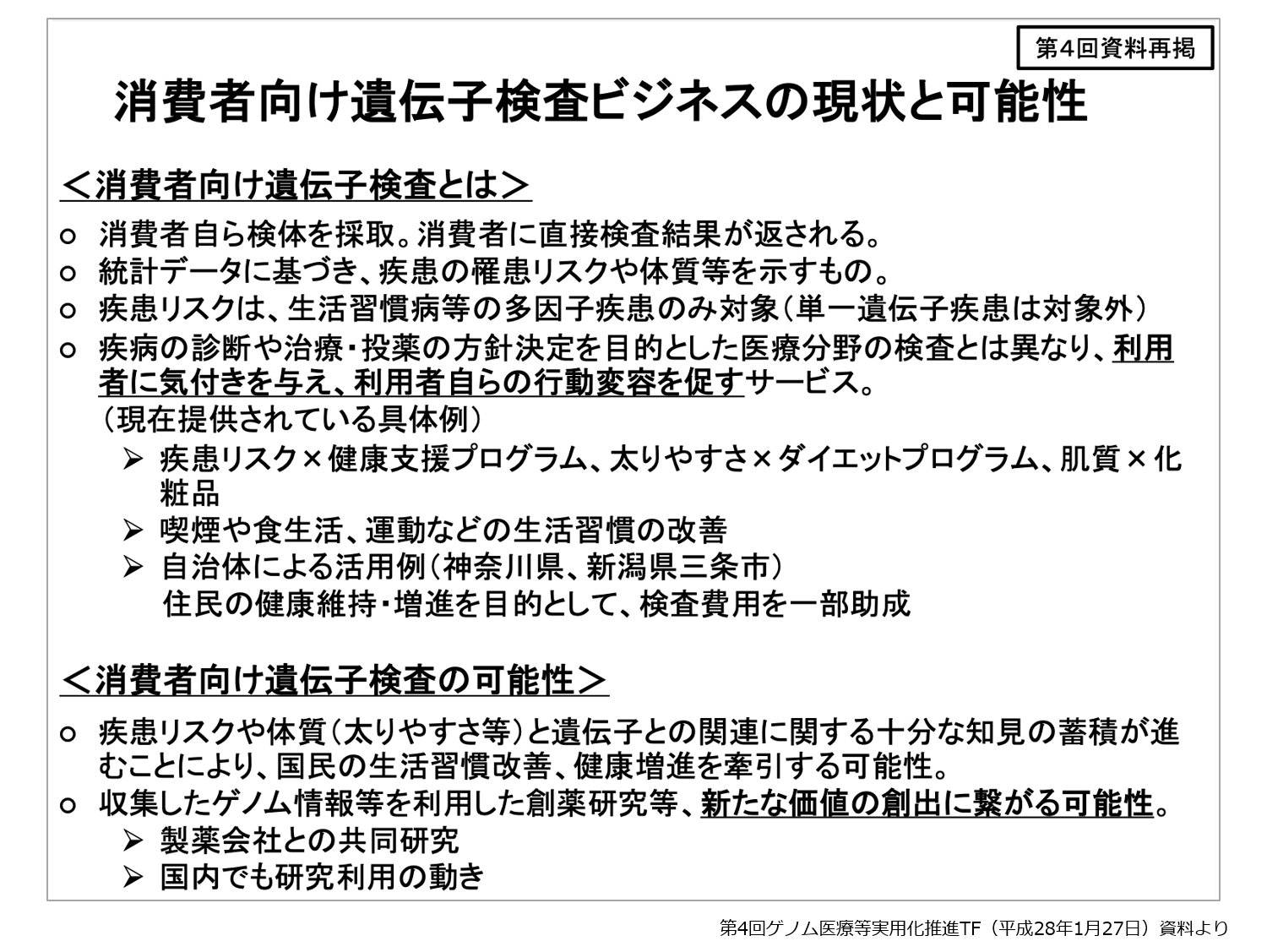
In recent years, genetic testing has spread beyond the specialized medical field and is now spreading into the lives of ordinary consumers. Tests that were previously difficult to take on their own can now be easily performed at home, garnering attention as a new form of self-care. In Part 1, we introduced genetic testing conducted at medical institutions, and in Part 2, we will explain DTC (Direct-to-Consumer) genetic testing that can be done at home.
DTC genetic testing is a service available directly to consumers without going through a medical institution. Unlike genetic tests conducted at medical institutions, the method is extremely simple. Simply collect saliva or oral mucosa using a dedicated kit, mail it, and receive the results a few weeks later. This genetic test extracts DNA from cells in the saliva or oral mucosa, and analyzes genetic variations such as single nucleotide polymorphisms (SNPs) using a custom chip. It is not intended for diagnosis or treatment, but rather is primarily intended to provide information. In other words, it is not used to determine whether or not you have a disease, but rather as a reference for understanding your constitution and tendencies.
The information gained from the test is wide-ranging, and for example, knowing the type of obesity can help you choose a diet method that suits you. The test results can be used as a reference for reviewing your lifestyle, such as knowing that if your constitution has difficulty converting carbohydrates into energy, limiting carbohydrate intake is effective, and if your constitution has difficulty metabolizing lipids, it is best to limit fat intake.
You can also get information about your alcohol decomposition capacity. The activity of the enzymes that break down alcohol varies from person to person, and those with a low alcohol decomposition capacity are more likely to experience flushing, headaches, and palpitations even with small amounts of alcohol. Knowing your constitution can help you reassess your drinking habits and take action to reduce health risks.
Genetic testing is also useful in the field of beauty. Skin type tests can reveal things like the rate at which collagen breaks down and how easily melanin is produced, and can help identify a person's tendency to develop wrinkles and blemishes. This allows them to choose care that is tailored to their skin type rather than standard beauty methods, making it possible to create a more effective beauty strategy.
Additionally, ancestral testing is gaining popularity for sheer enjoyment. Learning about one's genetic background can help people connect with their family history and ethnic roots, deepening their sense of identity. Test results may reveal strong East Asian characteristics or some European heritage. It's not just a health check; it's an experience that allows people to reexamine their own existence from a cultural and historical perspective.
The appeal of these tests is first and foremost their ease. Compared to genetic testing conducted at medical institutions, they are low-cost, costing anywhere from a few thousand to a few tens of thousands of yen, and anyone can easily try them out. In recent years, they have been increasingly applied to health management and sports performance. By learning about how easily muscles develop and how stamina tends to improve, efforts are underway to optimize training methods. This could provide clues for finding exercise habits that suit not only athletes but also the general public.
However, there are also challenges. Genetic functions are extremely complex, and a single single nucleotide polymorphism (SNP) alone does not determine one's constitution or behavior. For this reason, it is important not to rely too heavily on the results, but to use them only as reference information and as hints for improving quality of life. The issue of protecting personal information is also important. Genetic information is extremely sensitive data, and providing it to a third party or leaking it poses major risks. When using this service, it is essential to check the security system and privacy policy of the service provider.
Overall, DTC genetic testing is gaining attention as a new tool to expand "self-care and self-understanding." The key point is that it should be used for lifestyle improvement and self-discovery, not for medical purposes. Unlike genetic tests conducted at medical institutions, there is no medical evidence. However, learning about one's own constitution can provide an opportunity to reassess one's daily habits, or the joy of exploring one's ancestral roots, offering a wide range of possibilities. "Knowing oneself" through genetic testing could be said to be a new form of self-care for the coming era.
MEDIUS Group is developing a business centered on the sale of medical equipment. We (Medical + us) involved in medical care also want to play the role of an information source (Media) that delivers useful information for the medical field and people's healthy tomorrow.