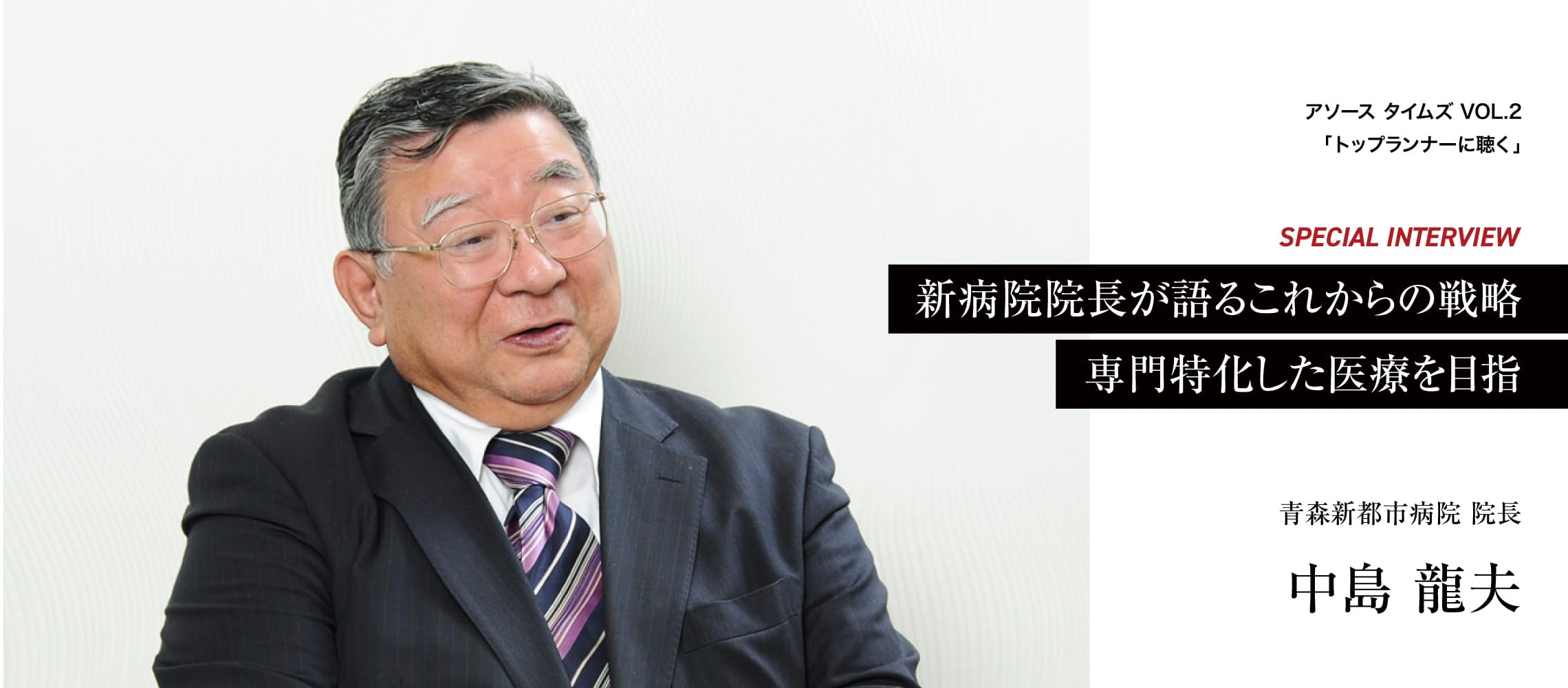
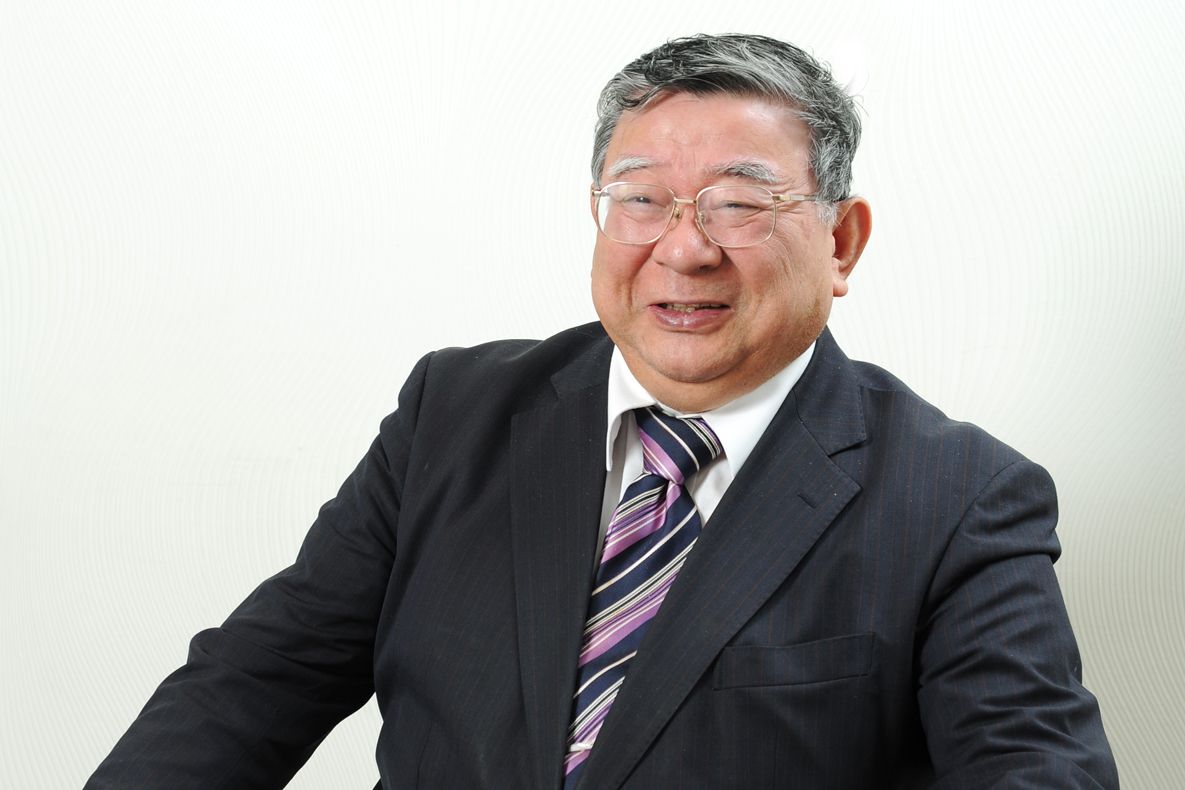
With neurosurgery and plastic surgery as my areas of expertise, I will be at the forefront.
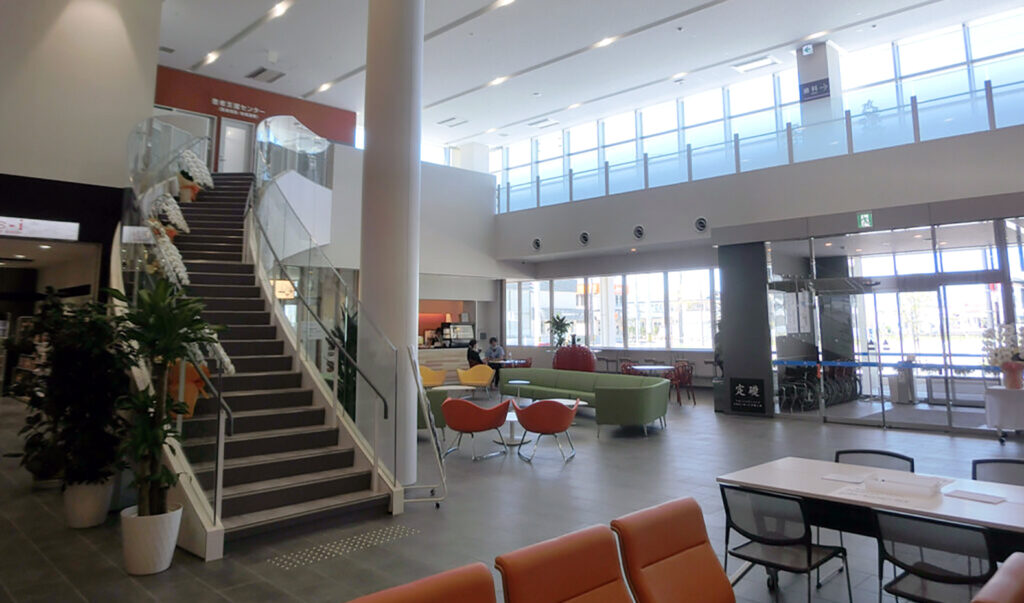
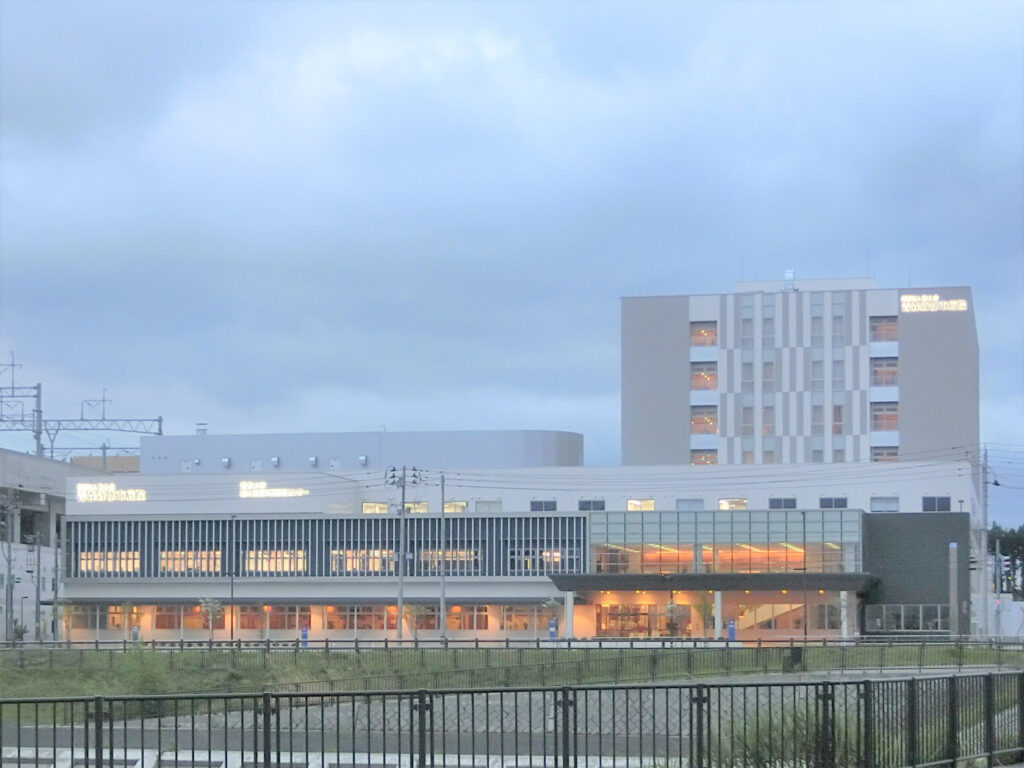
Aomori Shintoshi Hospital was opened in May last year as an acute care hospital that is responsible for secondary life-saving emergency by integrating two chronic-stage hospitals in Aomori City where the medical corporation "Yushinkai" in Hakodate City has suffered from financial difficulties. Did. Located on the west exit side of Aomori Station on the JR Tohoku-Hokkaido Shinkansen, it is a building with 1 basement floor and 7 floors above ground, about a 3-minute walk from the station. There are 13 medical departments, and we operate with about 400 people including 16 full-time doctors.
At the time when the company's advance into Aomori was announced, there were concerns from medical personnel in the city that "patients would be enclosed", but I spoke directly to doctors and nurses in the city. I gained an understanding in the direction of cooperating together for the citizens of the prefecture and promoting medical cooperation while consulting with local medical institutions.
Since the number of beds is 191 (8 intensive care beds, 183 general beds), it is not like a department store that has everything like a large hospital, but a strategy to launch specialized medical care. I did. The company's specialty is neurosurgery, rehabilitation department, plastic surgery, which is rare in Aomori prefecture, and orthopedics, which is resistant to spinal cord diseases. When considering future hospital management, it may be even more important to select functions that match the medical needs of the region and the scale of the hospital. In particular, if small and medium-sized hospitals aim to become community-based hospitals, they will be required to take charge of post-acute acceptance and rehabilitation functions in addition to acute care.
Introducing the latest equipment makes recruitment smoother.
We have invested a lot of money to specialize in the specialized field and have the latest medical equipment. The world's highest level cancer treatment device "Novalis" that can irradiate any part with high accuracy, picosecond laser that is attracting attention as a next-generation laser, 3.0T state-of-the-art, silent silent scan is adopted. MRI, 64-row multi-slice CT, TMS (Transcranial Stimulation) device that stimulates the brain by magnetism, rehabilitation robot that is attached to the lower limbs, etc.
The introduction of the latest equipment was surprisingly helpful in recruiting doctors. The shortage of doctors has become a serious problem in rural areas, but there was a strong need for young doctors to become specialists who can master advanced medical equipment. If there is a part that makes local work attractive, it may be possible to increase the number of doctors working in the area. Doctors have gathered from various universities nationwide, including the adoption of U-turns, so there is no specific academic group. It's like a group of wild samurai with a lot of individuality, and there is an atmosphere where you can have free discussions with each other, and good ideas are born there. I myself have spent many years in a typical academic world, so I feel the freshness of the dynamism of diversity. If you have a school, doctors are often dispatched from a specific university hospital, and the doctor in charge may change in a year or two, causing anxiety to the patient. Our hospital has no such harmful effects, and doctors can provide medical care after establishing a strong interpersonal relationship. In addition, medical professionals such as doctors, nurses, and pharmacists will respond with "team medical care".
Aomori Shintoshi Hospital started as an acute care hospital that integrates two chronic care hospitals in Aomori City and is responsible for secondary critical care, so the hospital staff initially responded to acute care, that is, a fresh disease. I was confused by the consciousness of healing. In the dialect of Aomori, the word "joppari" is known as the temperament of Aomori citizens, but by spending time and time talking with your knees, you will accept and be convinced of this idea. There is a history. Once you have a good understanding, they will actively and boldly tackle the issue.
There are over 1,000 emergency transports per year.
The number of outpatients and inpatients is steadily increasing. We are also focusing on 24-hour emergency medical care, and the number of transports has exceeded 1,000 in the past year. In particular, neurosurgery has a system that can respond every day, and we have a system that provides prompt and accurate treatment for urgent diseases such as stroke and traffic accidents.
There are many hospitals such as prefectural hospitals and municipal hospitals in the eastern part of Aomori prefecture, but the medical area in the western part has been thin until now. There were no hospitals with plastic surgery. I think this is a consideration given the enhancement of regional medical care for the entire prefecture, but the prefectural hospital has offered to provide reinforcements when there are not enough people.
We hope that our hospital will be able to play a role in supplementing the unsatisfied parts of other medical institutions, and we hope to be able to collaborate with other medical institutions in that way.
Strengthening internal medicine services is a challenge.
A future issue for Aomori Shintoshi Hospital is to improve the number of internal medicine doctors. Aomori Prefecture has the worst diabetes mortality rate in Japan, and there is an urgent need to take measures to aggravate diabetes. There are currently two physicians, so we are thinking of increasing the number. Internal medicine doctors do not like to leave the academic world, such as publishing research papers, so it is difficult to recruit.
In addition, since our hospital is equipped with advanced medical equipment, it is a problem that residents misunderstand that it is a hospital that provides medical care for special people. In order to dispel the recognition that such a threshold is high, I would like to frequently hold public lectures for the general public to promote "a hospital that feels close to me".